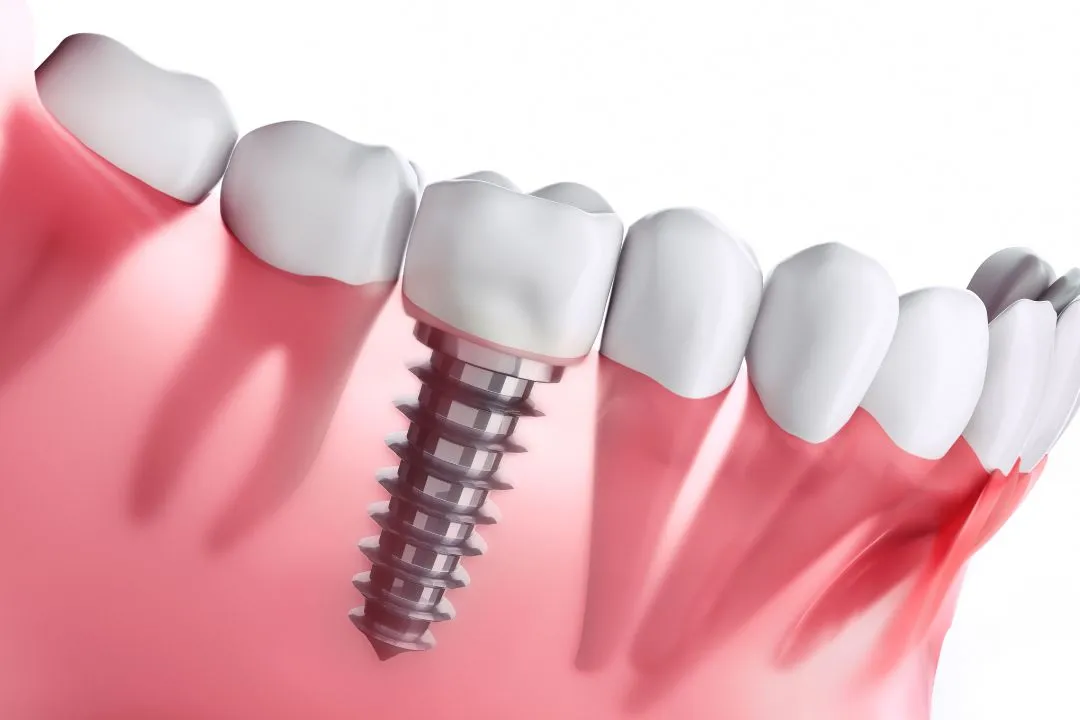
The Digital Revolution in Modern Dentistry
The landscape of dental care has undergone a remarkable transformation in recent years, with cutting-edge technology revolutionising the way practitioners approach complex procedures. Among the most fascinating developments is the integration of virtual reality (VR) into dental implant planning, a innovation that has fundamentally altered the precision and predictability of dental implants Leicester treatments. This sophisticated technology allows dental professionals to visualise, plan, and execute implant procedures with unprecedented accuracy, ultimately benefiting both practitioners and patients alike.
Virtual reality in dentistry represents far more than a technological novelty; it serves as a powerful tool that enhances diagnostic capabilities and treatment planning processes. The ability to create immersive, three-dimensional environments enables dental professionals to explore anatomical structures in ways previously impossible, leading to more informed decision-making and superior treatment outcomes. This technological advancement has particular significance in implant dentistry, where precision and careful planning are paramount to success.
Understanding Virtual Reality Applications in Implant Planning
The application of VR technology in dental implant planning involves sophisticated software that creates detailed, interactive models of a patient’s oral anatomy. These virtual environments allow practitioners to examine bone density, nerve pathways, and sinus cavities with remarkable clarity, enabling them to identify potential complications before they arise. The technology transforms traditional two-dimensional radiographs into immersive three-dimensional experiences, providing dental professionals with a comprehensive understanding of each unique case.
Modern VR systems utilise advanced imaging data from cone beam computed tomography (CBCT) scans to generate accurate virtual representations of the patient’s jaw structure. Recent research in virtual reality applications for dental procedures demonstrates how these systems can significantly improve treatment planning accuracy. Practitioners can manipulate these virtual models, testing different implant positions and angulations to determine the optimal placement strategy before any surgical intervention takes place.
Enhanced Visualisation Capabilities
The enhanced visualisation capabilities offered by VR technology provide dental professionals with unprecedented insights into complex anatomical structures. Unlike traditional imaging methods, virtual reality allows practitioners to ‘walk through’ the patient’s anatomy, examining structures from multiple angles and perspectives. This comprehensive visualisation proves particularly valuable when planning treatments for patients requiring dental implants, where practitioners must navigate varying bone densities and anatomical considerations.
The immersive nature of VR technology enables dental professionals to identify potential challenges and complications that might not be apparent through conventional imaging methods. This proactive approach to treatment planning significantly reduces the likelihood of surgical complications and improves overall treatment predictability, ultimately leading to better patient outcomes and increased treatment success rates.
Training and Education Benefits
Beyond treatment planning applications, virtual reality technology has revolutionised dental education and training programmes. Virtual reality’s transformative impact on dental training practices demonstrates how students and practitioners can practice complex implant procedures in risk-free virtual environments. This approach allows for repeated practice of challenging techniques without the need for physical models or cadaveric specimens, whilst providing immediate feedback on performance and technique.
The educational benefits extend to experienced practitioners seeking to refine their skills or learn new techniques. VR training modules can simulate various clinical scenarios, including challenging cases involving limited bone volume or proximity to vital structures. This comprehensive training approach ensures that dental professionals are well-prepared to handle complex implant cases with confidence and precision.
Patient Communication and Consent
Virtual reality technology has transformed the way dental professionals communicate treatment plans to their patients. The ability to provide patients with immersive visualisations of their proposed treatment helps bridge the gap between technical dental terminology and patient understanding. Patients can explore their virtual treatment plan, gaining a clear appreciation of the procedure’s complexity and expected outcomes.
This enhanced communication approach significantly improves informed consent processes, as patients develop a more comprehensive understanding of their treatment. The visual nature of VR presentations helps alleviate patient anxiety by demystifying complex procedures and providing realistic expectations for treatment outcomes. Comprehensive guides to augmented and virtual reality in dentistry highlight how these technologies are reshaping patient-practitioner relationships through improved communication and transparency.
Future Developments and Innovations
The future of virtual reality in dental implant planning promises even more sophisticated applications and capabilities. Emerging technologies are incorporating artificial intelligence algorithms that can predict treatment outcomes and suggest optimal implant positioning based on vast databases of successful cases. These developments will further enhance the precision and predictability of implant treatments.
Embracing Technological Advancement in Dental Care
The integration of virtual reality into dental implant planning represents a significant milestone in the evolution of modern dentistry. This technology enhances diagnostic accuracy, improves treatment planning precision, and facilitates better patient communication, ultimately leading to superior treatment outcomes. As VR technology continues to advance, its role in dental implant planning will undoubtedly expand, offering even greater benefits to both practitioners and patients in the pursuit of optimal oral health care.
